What You Need to Know About Kala-azar.
Written by - Mary Mwendwa
Photos - Sandra Ruong’o
Kala-azar, also known as Visceral Leshmaniasis, is a deadly disease caused by a tiny parasite. You can't catch it from someone coughing or touching them. Instead, it's spread by the bite of a creature so small you might not even notice it: the sandfly.

A female Phlebotomus orientalis. It is a vector that causes Kala-azar when infected with a leishmania parasite.
These insects are tiny only about a third of the size of a mosquito and thrive in warm, humid conditions. When an infected sandfly bites a person to feed on their blood, it leaves the parasite behind, and the disease begins its slow, destructive work. The name "kala-azar" means "black fever" in Hindi, referring to a darkening of the skin that can occur in some patients.

Lydia Chepkemoi, a research assistant at ICIPE carefully places the midgut of a dissected phlebotomine sandfly into a tube for further processing at the ICIPE headquarters in Nairobi, Kenya.
It might be surprising, but the same tiny sandfly can cause two very different diseases. The first is visceral leishmaniasis, or kala-azar, which you've learned about. It's the "black fever" that attacks the internal organs like the spleen and liver and is almost always fatal without treatment.
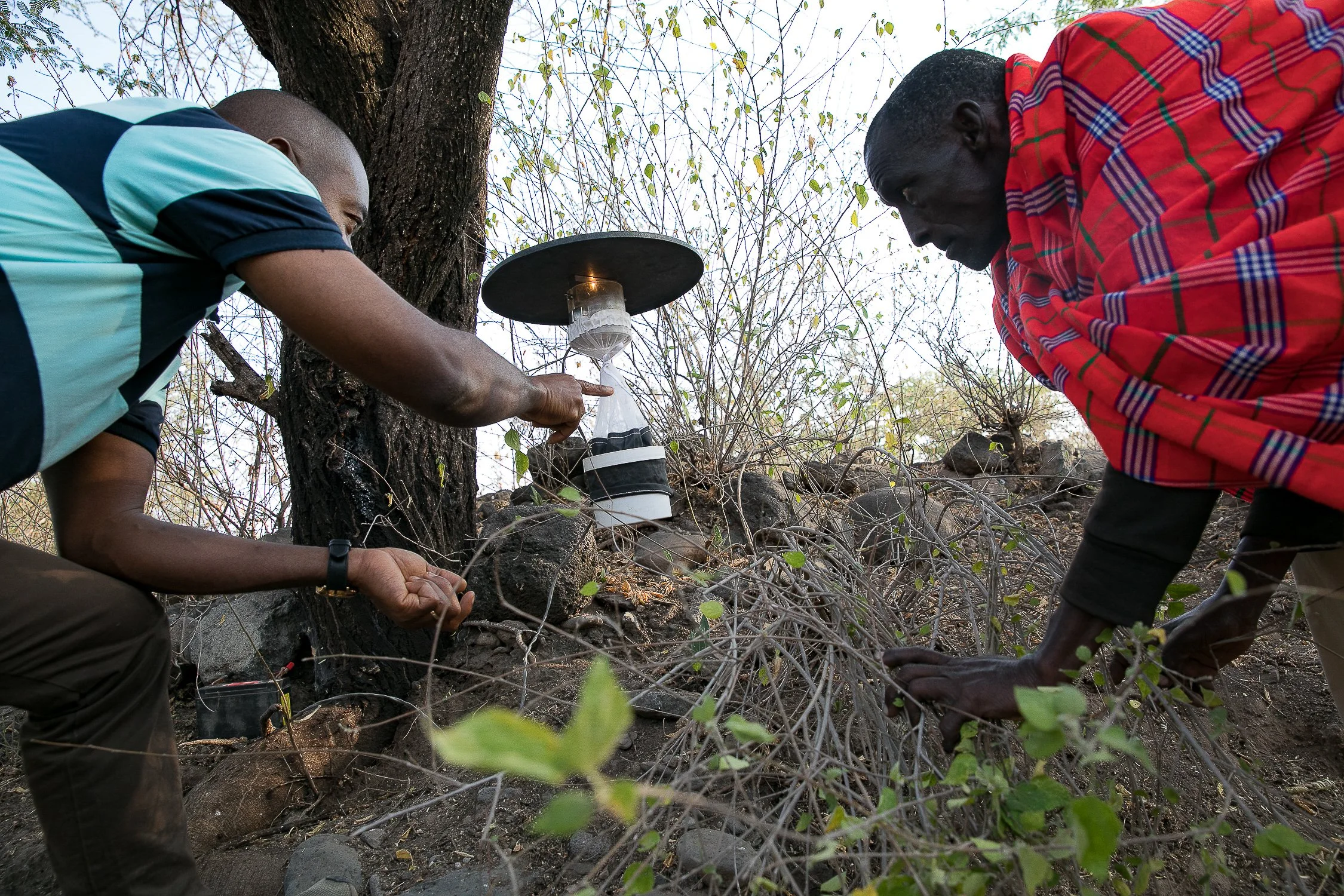
The second is cutaneous leishmaniasis, which is less deadly but far more common. Instead of attacking the internal organs, it affects the skin, causing painful, disfiguring ulcers and scars that can last a lifetime, often on the face, arms, or legs. In Kenya, both forms are a serious concern and are found in many of the same counties. Kala-azar, caused by the parasite Leishmania donovani, is endemic in 11 counties, including arid regions like Turkana, Marsabit, West Pokot, and Baringo. Cutaneous leishmaniasis, primarily caused by a different parasite named Leishmania tropica, has been reported in places like Kajiado County and the Central Rift Valley region.
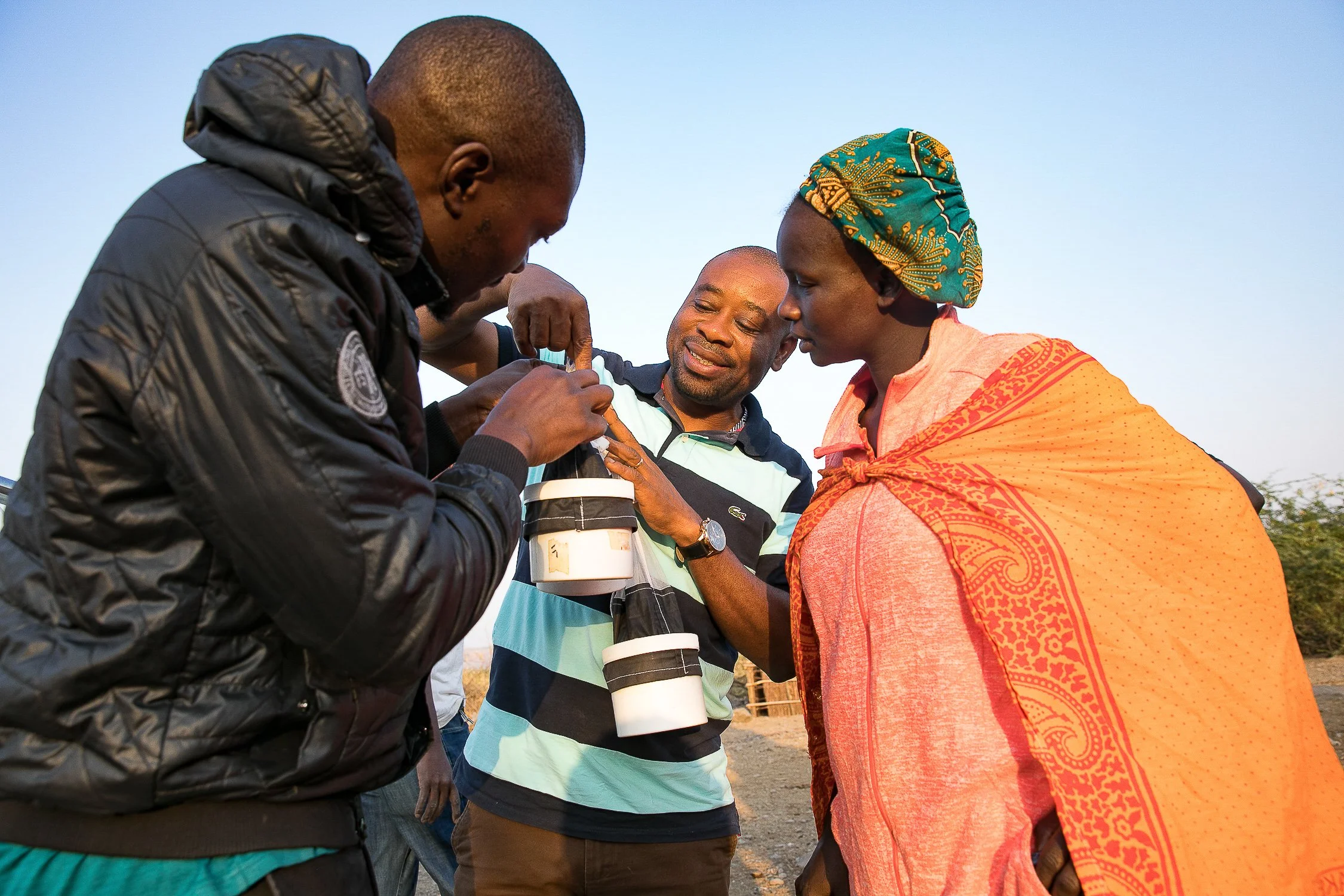
Dr. David Tchouassi, a senior scientist at ICIPE and Kennedy Senagi, a data annalyst at ICIPE show Christine Pose the sandflies trapped inside the CDC light trap that had been set up in her house the previous night. Kora Village, Losinyai, Kajiado County.
The peak season for these diseases is closely linked to the weather. Cases of kala-azar often rise at the start of the wet seasons for example, research in West Pokot shows admissions generally increase with the rains. Similarly, in Baringo County, the highest number of cases is recorded in the month of July. This is likely because the changing temperatures and moisture affect the breeding and survival of the sandflies that spread the disease
Where is it found?
Kala-azar is a disease of places, not people. It's found in specific pockets around the world, often in rural and poor regions. The map of the disease is constantly changing, but the highest numbers of cases are found in seven countries: Brazil, Ethiopia, India, Kenya, Somalia, South Sudan, and Sudan. These nations consistently account for approximately 90% of the global cases of visceral leishmaniasis
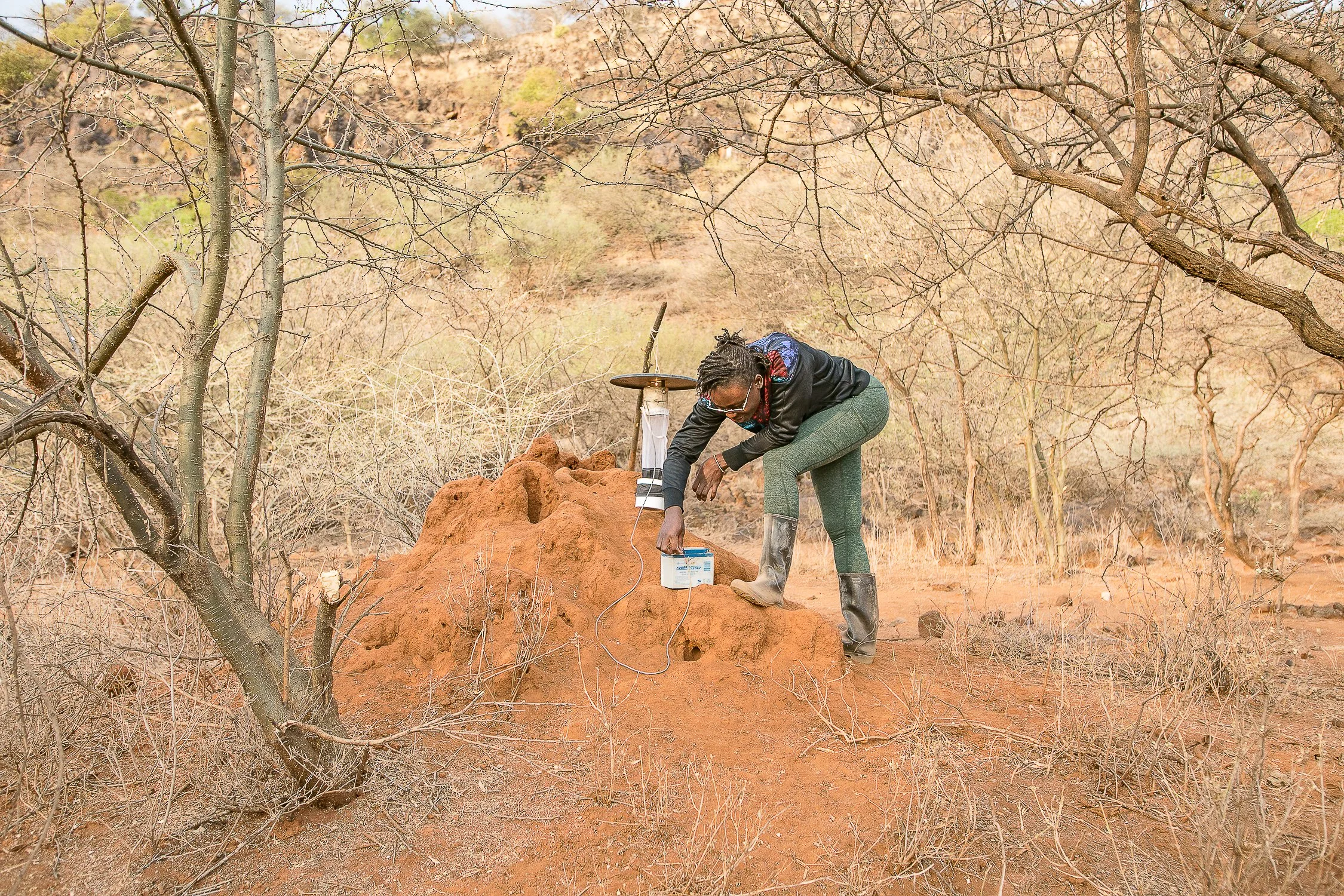
Josephine Osalla, a research assistant at ICIPE sets up a CDC light trap near Emaroroi village, Esonorua in Kajiado County. The ideal ant hill to place a trap is dependent on size and the structure. Large, older ant hills with many cracks and holes are preferred than newly formed ones.
Why is it called a "Neglected Tropical Disease" (NTD)?
Kala-azar is what the World Health Organization calls a Neglected Tropical Disease. This label isn't about the disease itself, but about who it affects. NTDs are diseases that thrive in conditions of poverty in communities with poor housing, little access to healthcare, malnutrition, and few resources. Because these diseases primarily affect the world's poorest and most marginalized people, they have historically received very little attention, funding, or research from wealthy countries and big pharmaceutical companies. They are "neglected" by those who have the power to fight them.

Peter Toirai , a community health promoter with his family at his home in Kora Village, Losinyai, Kajiado County.
The Devastating Signs
Once the parasite enters the body, it attacks the immune system. The symptoms can take weeks or even months to appear, but they are unmistakable:
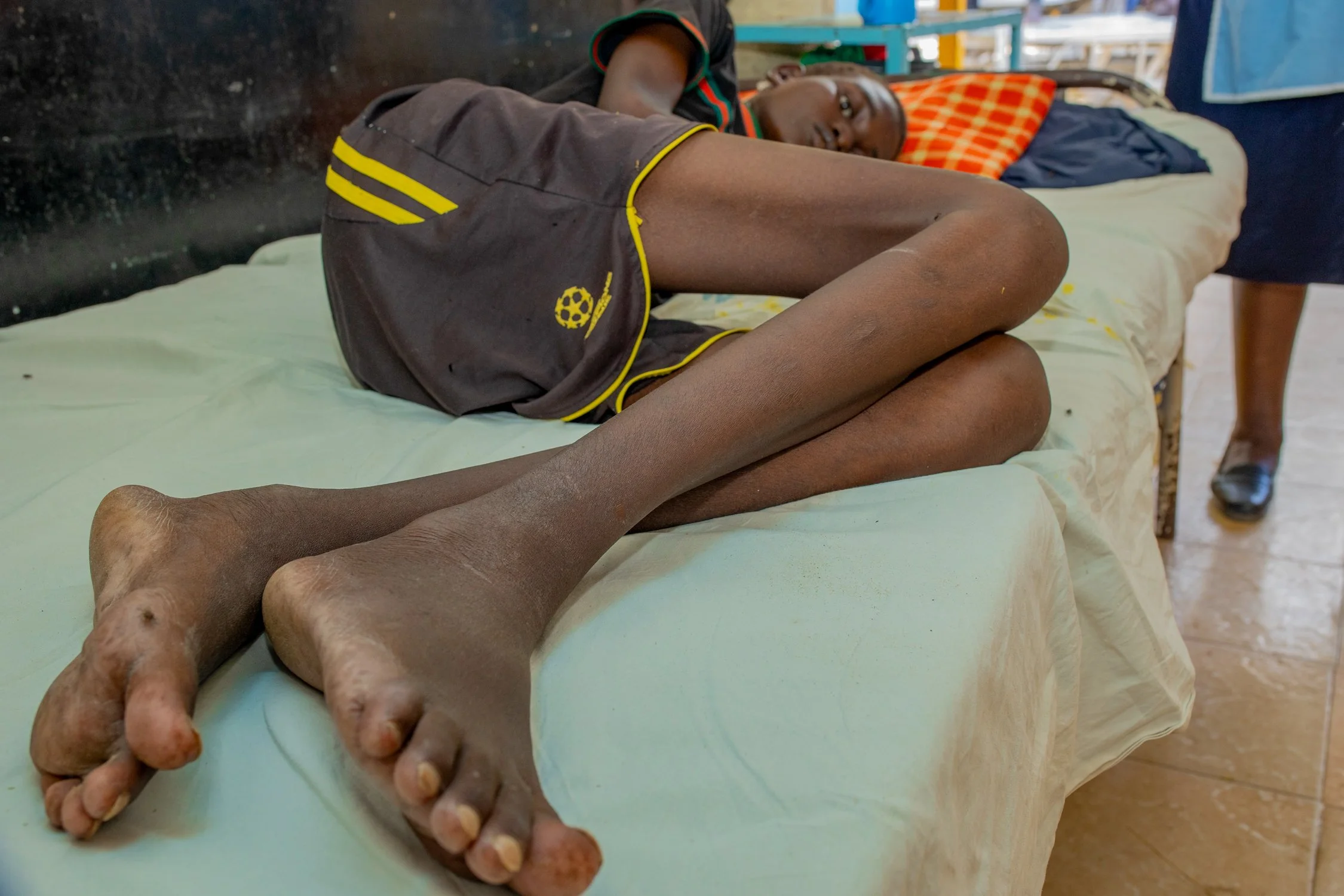
Signs & Symptoms of Kala-azar
Persistent Fever: A fever that comes and goes for weeks.
A Swollen Belly: The parasite causes the spleen and liver to swell massively, often making the abdomen painfully distended.
Severe Weight Loss and Weakness: The patient becomes frail and wasted.
Anaemia: The disease destroys red blood cells, leading to severe anaemia. This makes the person look pale, feel breathless, and be utterly exhausted.
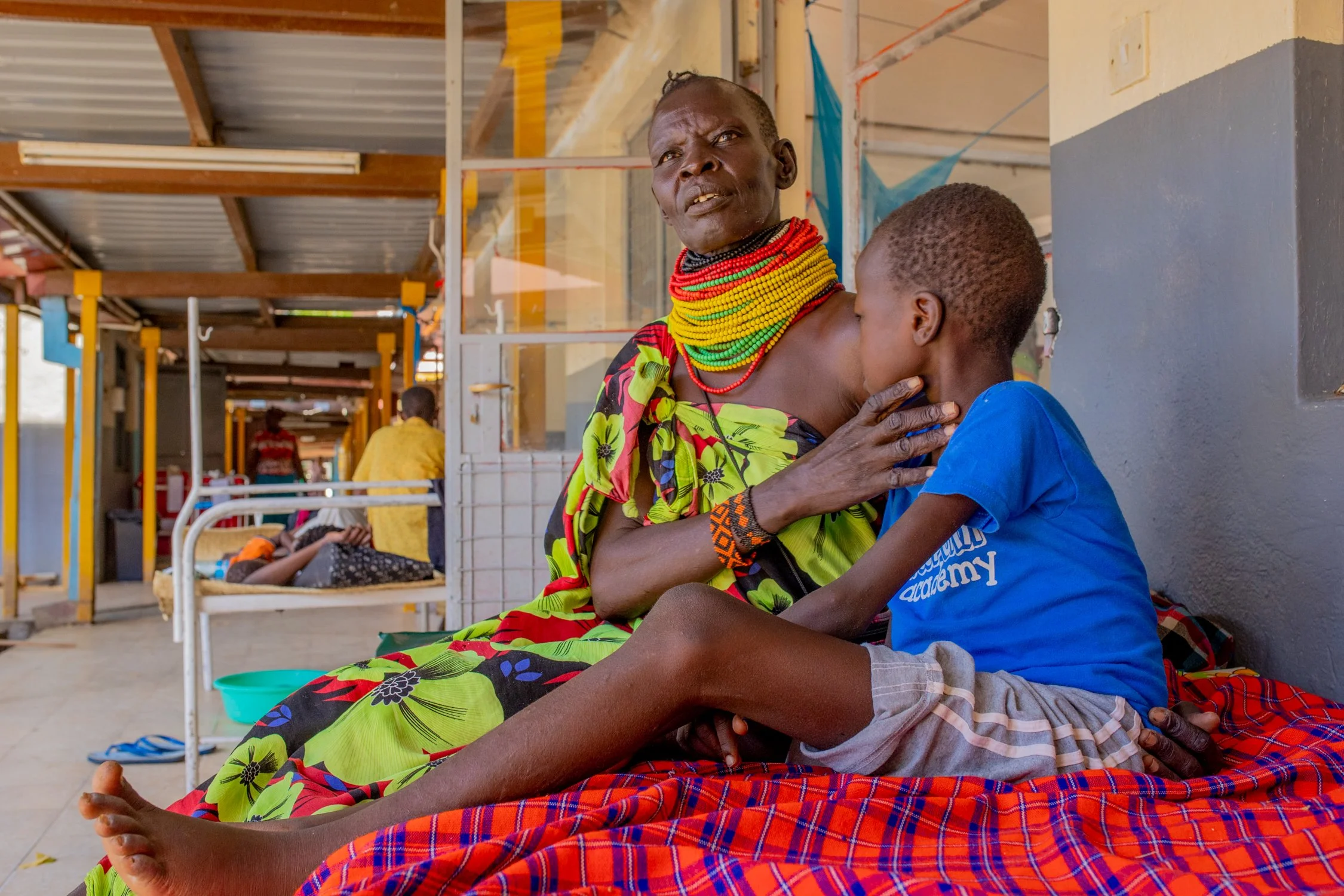
Akidor Lodife from Loima Village with her 12 year old grandson Okidor Lodife, a Kalazaar patient at the Lodwar County Refferal Hospital in Turkana County, Kenya. According to Dr. Duncan Mutai, males between 5-14 years of age are the most affected group that he has treated during his tenure at Lodwar County Refferal Hospital.
If a person with these symptoms does not receive treatment, the disease is almost always fatal—in more than 95% of cases. Death often comes from severe bleeding or other infections that the weakened body can no longer fight off.
Treatment
The good news is that kala-azar is both treatable and curable. Treatment usually involves a course of powerful antiparasitic drugs. In recent years, better medicines have been developed that are safer and have shorter treatment times.
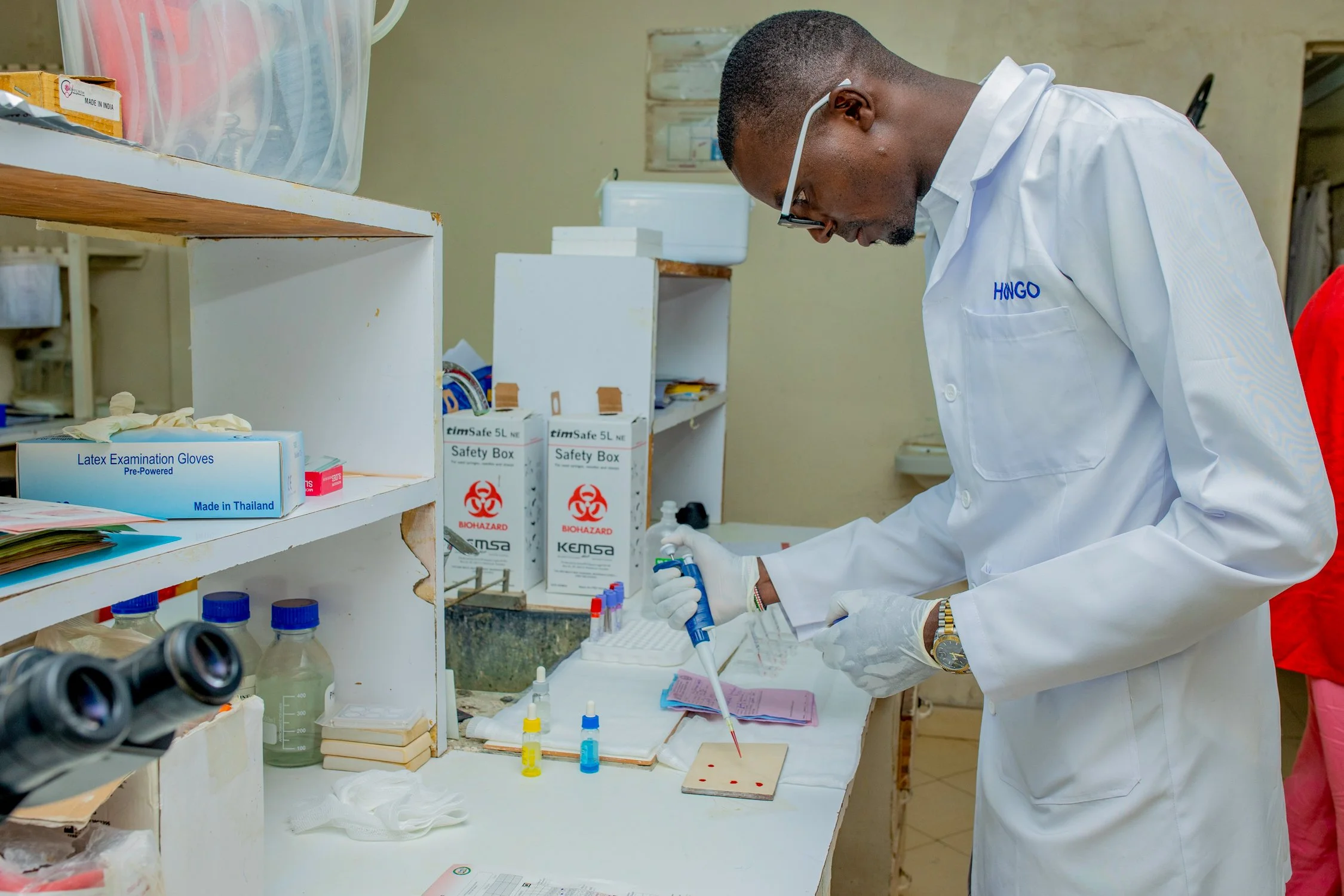
Kevin Hongo, a lab technician at Lodwar County Refferal Hospital in Turkana County using a pipette to group blood for a Kala-azar test. The rapid test takes between 10-15 minutes.
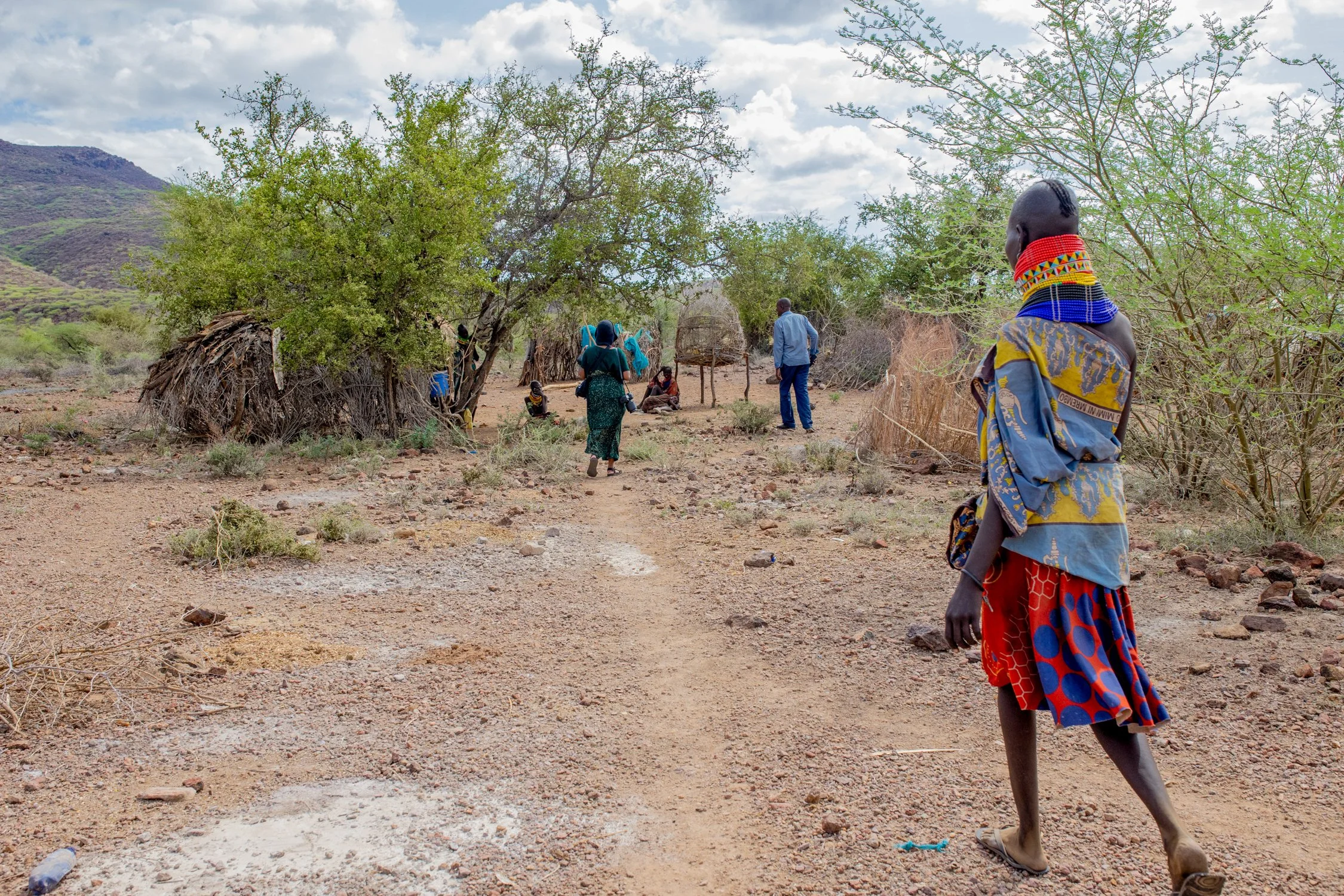
Ausugu Awoi of Kachakum village, Loima, Turkana County leads the way to her homestead.
However, getting treatment is incredibly difficult for the people who need it most. The remote areas where the disease strikes often have weak health systems with a lack of trained staff, diagnostic tests, and medicines. This is why the work of non-government organizations and national health programs is so critical. They set up clinics in remote areas to find patients and provide the free, life-saving treatment they need.
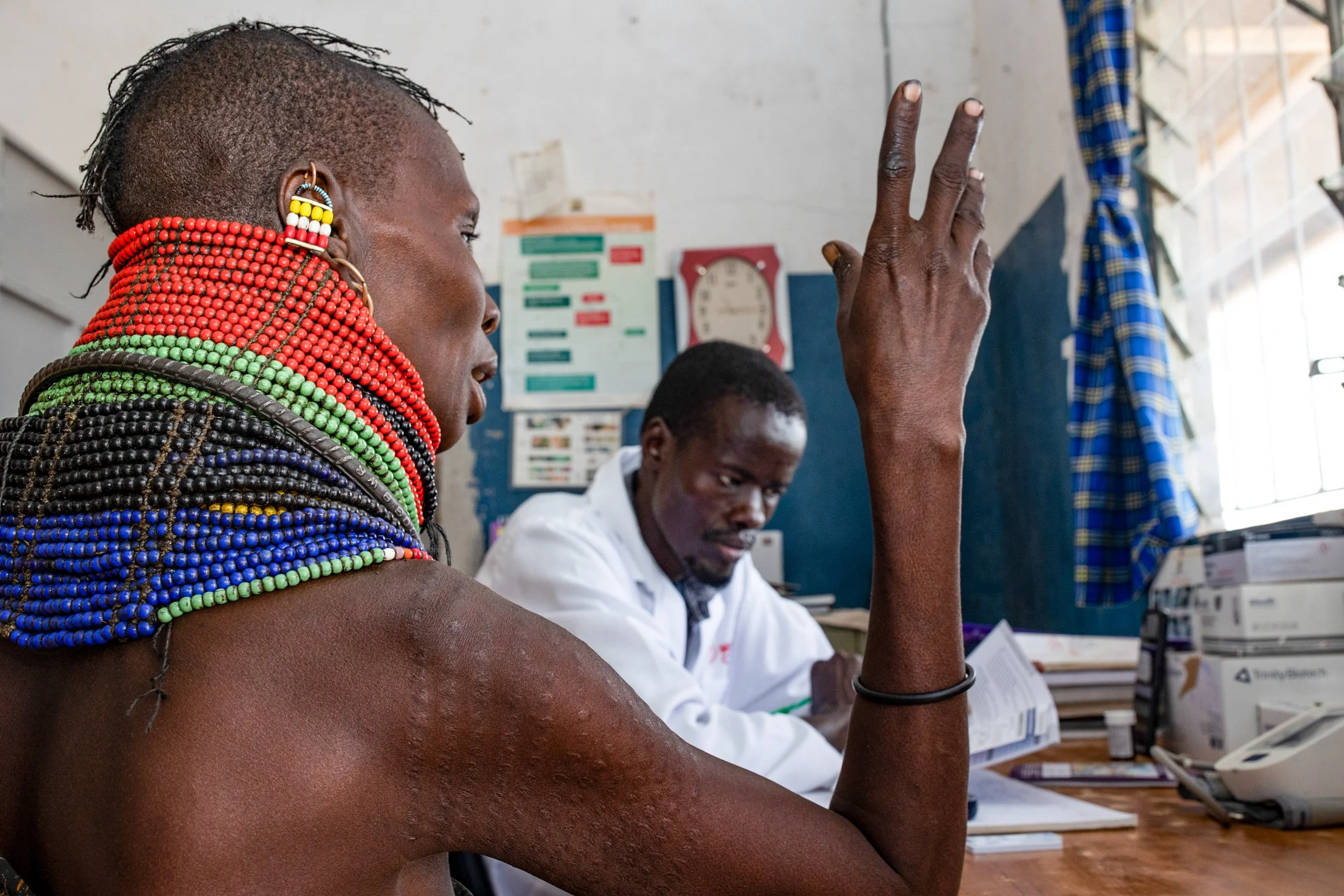
Alimilim Lugisa (L) consults Simon Nanok who is the Nurse in charge at Lokwatubwa PAG Health Centre located in Loima, Turkana County.
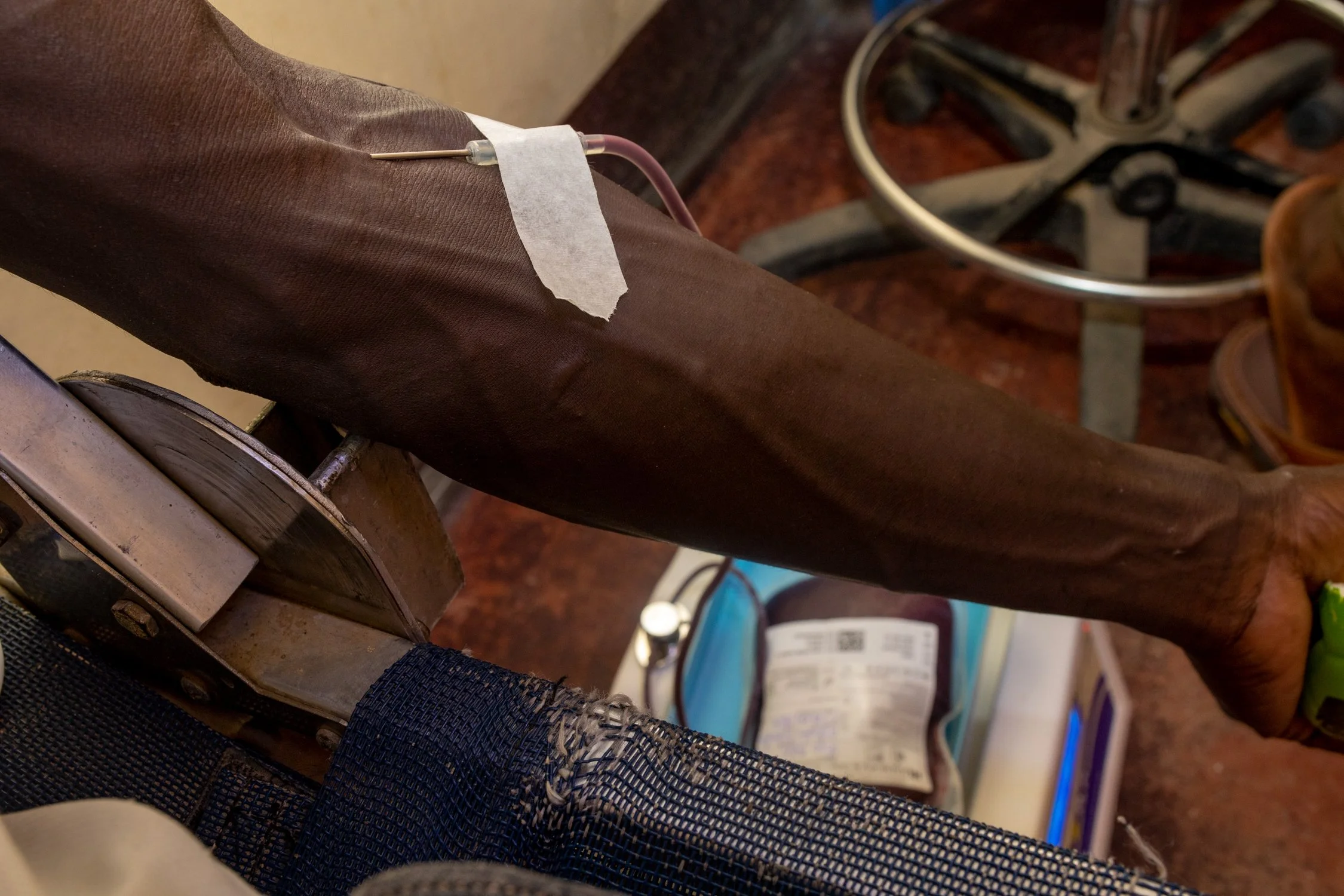
Blood flowing from a donor into a blood bag during a blood donation exercise.
Supportive care is also vital. Patients are often so weakened by anaemia that they need a blood transfusion just to be strong enough to survive the drug treatment. This simple act can be the lifeline that makes a cure possible. Prevention focuses on controlling the sandfly population through insecticide spraying and using insecticide-treated bed nets to stop people from being bitten while they sleep.